Breathability of Supima Cotton Explained
When selecting textiles for clothing, bedding, or other fabric products, breathability stands as one of the most crucial factors to consider. This essential quality determines how comfortable the material feels against the skin, particularly during warmer months or in heated environments. Among the premium cotton varieties available today, Supima cotton has earned a sterling reputation for its exceptional qualities. But exactly how breathable is this, and does it merit the premium price tag it commands in the market? Paul James Knitwear examines this question thoroughly.
Understanding Supima Cotton's Origins
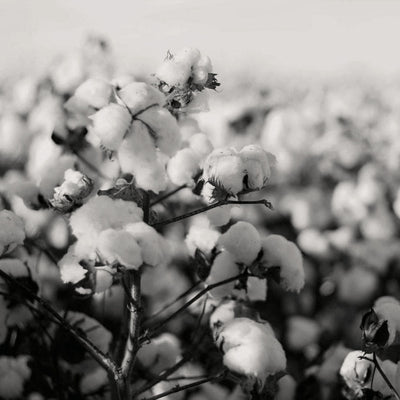
Supima cotton represents a superior grade of cotton grown exclusively in the United States. The term "Supima" combines "Superior" and "Pima," referring to the extraordinary quality of this extra-long staple cotton variety. Cultivated primarily across Arizona, California, New Mexico, and Texas, this remarkable cotton accounts for just 1% of cotton produced worldwide, making it significantly rarer than regular cotton.
What separates Supima from ordinary cotton lies in its fibres—they stretch nearly twice as long as those found in standard cotton varieties. This exceptional length results in a finer, stronger thread that manufacturers can spin into luxuriously soft fabric. The combination of length and strength produces textiles that not only feel magnificent against the skin but also maintain their quality through repeated washing and regular use.
Learn more about the history of Supima Cotton.
The Science Behind Breathability in Fabrics
Before delving into Supima cotton specifically, it helps to understand what makes any fabric breathable. Breathability refers to a material's ability to allow air circulation and moisture transfer through its structure. This quality proves vital for comfort as it:
-
Permits body heat to escape rather than becoming trapped
-
Allows moisture from perspiration to evaporate away from the skin
-
Promotes better temperature regulation throughout changing conditions
-
Reduces the clammy feeling associated with non-breathable materials
Several factors affect how well a fabric breathes:
-
Fibre structure: Natural fibres typically feature irregular shapes that create tiny air pockets between threads
-
Weave pattern: Looser weaves generally allow better airflow than tightly woven structures
-
Thread count: While higher thread counts often indicate quality, extremely high counts can sometimes limit breathability
-
Finishing treatments: Some chemical treatments might reduce a fabric's natural ability to breathe
How Breathable Is Supima Cotton?
Looking at Supima cotton through the lens of breathability reveals its outstanding performance. The extra-long fibres characteristic of Supima cotton create fabrics with exceptional air permeability. This allows warm air to escape and cool air to circulate, keeping the body at a comfortable temperature.
The unique properties of Supima cotton that contribute to its breathability include:
Superior Moisture Management
Supima cotton exhibits remarkable absorbency capabilities. The fibres can absorb up to 27 times their weight in moisture, wicking perspiration away from the skin efficiently. This absorbed moisture then evaporates through the fabric, creating a cooling effect. This natural moisture-wicking property makes Supima cotton particularly suited for:
-
Summer clothing items
-
Athletic wear requiring sweat management
-
Bedding that keeps sleepers comfortable through the night
Lightweight Yet Durable Construction
Despite its strength, Supima cotton can be woven into exceptionally lightweight fabrics. The finer fibres allow for creating thin, breathable textiles without sacrificing durability. This combination proves ideal for hot weather clothing, where maximum air circulation becomes essential for comfort.
Natural Temperature Regulation
The structure of Supima cotton fibres contributes to its natural temperature-regulating properties. The material provides excellent insulation when needed but allows heat to dissipate when body temperature rises. This adaptability makes it suitable for year-round use, though it particularly excels during warmer months.
Comparing Supima Cotton to Other Cotton Types
To truly appreciate Supima cotton's breathability, comparing it with other cotton varieties helps establish context:
| Cotton Type | Fibre Length | Breathability Rating | Durability | Softness | Price Point |
|---|---|---|---|---|---|
| Supima | Extra-long | Excellent | Very High | Highest | Premium |
| Egyptian | Long | Very Good | High | High | High |
| Pima | Long | Very Good | High | High | High |
| Regular | Medium | Good | Medium | Medium | Standard |
| Short-staple | Short | Fair | Lower | Lower | Budget |
While Egyptian cotton often competes with Supima for premium status, Supima typically edges ahead in breathability tests due to its consistently longer fibres and stricter quality control standards. Regular cotton, while still reasonably breathable as a natural fibre, cannot match the exceptional air permeability that Supima cotton provides.
Supima Cotton for Different Applications
The breathability of Supima cotton makes it particularly valuable for specific applications:
Bedding and Linens
For sheets, pillowcases, and duvet covers, Supima cotton offers remarkable benefits. The material's breathability supports better sleep by helping regulate body temperature throughout the night. Many sleepers report fewer instances of overheating and night sweats when using Supima cotton bedding compared to regular cotton options.
The moisture-wicking properties keep bed linens feeling fresh and dry, while the soft texture provides additional comfort. Though Supima cotton sheet sets command higher prices than standard cotton bedding, many users find the improved sleep quality justifies the investment.
Clothing Items
Supima cotton truly shines in clothing applications where its breathability directly impacts comfort:
- T-shirts and Casual Wear: The lightweight nature and excellent moisture management make Supima cotton t-shirts particularly comfortable for daily wear. The material feels soft against the skin while allowing proper ventilation.
- Dress Shirts: For formal or business settings, Supima cotton dress shirts offer the polish of a crisp appearance with the comfort of superior breathability. This combination proves especially valuable in warm office environments or during summer months.
- Knitwear: Companies like Paul James Knitwear utilise Supima cotton for premium sweaters and jumpers that provide comfortable warmth without overheating. The breathable nature of the material makes these items suitable for layering throughout changing seasons.
Athletic and Performance Wear
Though synthetic fabrics dominate the athletic wear market, Supima cotton blends have gained popularity for exercise clothing that requires both comfort and performance. The natural breathability and moisture-wicking properties make it suitable for low to moderate intensity activities, particularly when blended with small amounts of synthetic fibres for added stretch and durability.
Caring for Supima Cotton to Maintain Breathability
To preserve the exceptional breathability of Supima cotton products, proper care becomes essential:
-
Washing recommendations: Use mild detergents and avoid fabric softeners, which can coat fibres and reduce their natural breathability
-
Drying techniques: When possible, air-drying helps maintain the open structure of the fibres, though tumble drying on low heat is generally safe
-
Storage considerations: Store items in well-ventilated areas to prevent mustiness that might affect breathability
With proper care, Supima cotton items maintain their breathable qualities for years, often improving in softness with each washing. This longevity contributes to the overall value proposition despite the higher initial price point.
Environmental Considerations
Beyond personal comfort, the breathability of Supima cotton connects to broader environmental considerations. The durability of Supima cotton products means they typically last longer than items made from lower-quality cotton, potentially reducing consumption over time.
Additionally, the growing practices for Supima cotton in the United States follow strict environmental regulations. Many Supima cotton farms implement sustainable farming techniques that reduce water usage and limit chemical applications compared to conventional cotton farming.
Is Supima Cotton Worth the Premium Price?
The question of value inevitably arises when discussing premium textiles like Supima cotton. Several factors support the higher price point:
-
Longevity: Supima cotton products typically outlast regular cotton items by years, spreading the cost over extended use
-
Comfort benefits: The superior breathability and softness translate to tangible improvements in comfort
-
Appearance retention: The stronger fibres resist pilling and maintain their appearance through numerous wash cycles
-
Sustainable aspects: The longer life cycle and potential for more sustainable growing practices align with environmentally conscious purchasing
For those prioritising comfort, especially regarding breathability and temperature regulation, Supima cotton generally justifies its premium position in the market. The material's performance in warm conditions or for individuals who tend to sleep hot provides functional benefits beyond mere luxury.
Frequently Asked Questions
How can I verify if a product truly contains Supima cotton?
To verify if a product truly contains Supima cotton, you should look for the official Supima trademark on the label or packaging. This trademark is only granted to licensed brands and manufacturers who have been authorized to use genuine American-grown Supima cotton in their products.
The Supima trademark serves as a certification mark, similar to how other quality indicators work. Reputable retailers like Paul James Knitwear will clearly display this official designation on their Supima cotton products.
If you don't see the Supima trademark or logo, the product may be made with regular cotton or another cotton variety, despite marketing claims. The Supima Association maintains strict quality control and traceability standards, so the presence of their official trademark is the most reliable verification method.
Additionally, you might notice the distinctive quality characteristics of Supima cotton products - exceptional softness, minimal pilling after washing, and durability over time - but these subjective qualities shouldn't be your primary verification method, as the official trademark remains the most definitive proof.
Does Supima cotton shrink more or less than regular cotton?
Supima cotton shrinks less than regular cotton. This is due to the extra-long staple fibers that are characteristic of Supima cotton - they're longer and stronger than standard cotton fibers, creating more stable fabric structures that better maintain their dimensions through washing and drying.
While you might notice some minimal shrinkage during the first wash (which is normal for any natural fiber), Supima cotton generally exhibits significantly less shrinkage compared to regular cotton products. The longer, stronger fibers resist the tendency to contract that shorter cotton fibers experience when exposed to water and heat.
Many premium manufacturers also pre-wash their Supima cotton fabrics during production to account for this initial minimal shrinkage, particularly for fitted garments where maintaining precise measurements is important.
To further minimize shrinkage with your Supima cotton items, it's best to follow care instructions - typically washing in cold or lukewarm water and either air-drying or using a low-heat tumble dry setting.
Is Supima cotton suitable for people with sensitive skin?
Yes, Supima cotton is excellent for sensitive skin. Its extra-long fibers create smoother surfaces with fewer protruding ends, reducing friction and irritation against the skin. The breathable nature prevents heat build-up and moisture accumulation, which helps avoid heat rash and similar issues.
The natural fibers contain fewer potential allergens compared to synthetic materials, making Supima cotton a better choice for those with chemical sensitivities. Its effective moisture-wicking properties also keep skin drier, further reducing the risk of irritation.
Many dermatologists recommend high-quality cotton like Supima for patients with eczema, dermatitis, and other skin conditions because of these gentler characteristics.
How does Supima cotton perform in winter?
Supima cotton performs surprisingly well in winter despite being known for warm-weather comfort. Its natural temperature-regulating properties help maintain warmth without causing overheating. The fiber structure provides good insulation by trapping warm air close to the body, yet still allows excess heat to escape when needed.
It works exceptionally well as a base layer in winter clothing systems, sitting comfortably against the skin while wicking away moisture that could otherwise cause chilling. For maximum winter comfort, Supima cotton items are best layered under heavier materials.
While not as insulating as wool or certain synthetics in extremely cold conditions, Supima cotton remains comfortable year-round and doesn't create the stuffy feeling sometimes associated with heavier fabrics.
Can Supima cotton be blended with other fibres?
Yes, Supima cotton can be blended with other fibres. Manufacturers often combine it with small percentages of synthetic fibres like elastane (spandex) or polyester to add stretch, enhance durability, or improve certain performance aspects.
These blends typically retain most of Supima cotton's breathability and softness benefits while gaining additional functional properties. Common blends include:
-
Supima cotton with 2-5% elastane for stretch in fitted clothing
-
Supima cotton with polyester for improved wrinkle resistance
-
Supima cotton with modal or lyocell for enhanced drape and lustre
Even when blended, products with high Supima cotton content (typically 90% or more) still provide most of the comfort advantages of pure Supima. These blends often work well in performance clothing where some stretch or added durability is beneficial.
Conclusion
Supima cotton stands as an exceptional choice for those seeking truly breathable fabric options. Its unique fibre structure creates textiles that allow optimal air circulation while efficiently managing moisture—two critical factors for comfort in various conditions. The material's natural breathability, combined with its remarkable softness and durability, explains why it remains highly sought after for premium bedding, clothing, and other textile applications.
While the higher price point might give some shoppers pause, the extended lifespan and superior performance characteristics of Supima cotton products often represent good value over time. For those particularly concerned with breathability, whether for managing warm sleeping environments or maintaining comfort in summer clothing, Supima cotton provides tangible benefits that standard cotton varieties simply cannot match.
Paul James Knitwear's commitment to quality textiles makes Supima cotton a natural choice for their premium offerings, providing customers with the exceptional comfort and performance this remarkable material delivers.