Discover the Truth About Supima Cotton and Shrinkage!
When selecting premium clothing materials, few options match the reputation of Supima cotton. This exceptional fabric has gained popularity among fashion enthusiasts and comfort-seekers alike, yet questions about its maintenance—particularly regarding shrinkage—remain common. Paul James Knitwear presents this detailed exploration of Supima cotton's properties, addressing concerns about potential shrinkage and offering essential care recommendations.
Understanding Supima Cotton: Beyond Ordinary Fabric
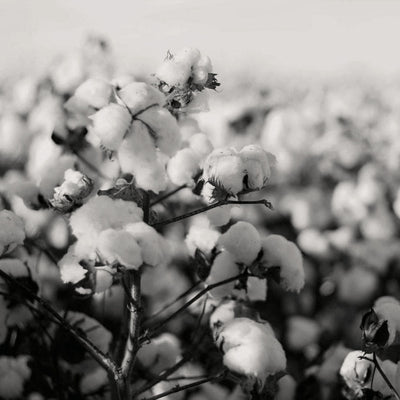
Supima cotton represents the gold standard in cotton production. Grown exclusively in the United States, this premium variant makes up less than 1% of cotton produced worldwide. The name "Supima" comes from "Superior Pima," highlighting its exceptional quality compared to standard cotton varieties.
What sets this material apart begins at the microscopic level. The extra-long staple fibres measure approximately 35-37mm, significantly longer than regular cotton fibres which typically reach only 25-29mm. This greater length creates stronger, finer yarns that resist breakage, pilling, and yes—excessive shrinkage.
The textile owes its remarkable properties to meticulous cultivation practices. Grown in California, Arizona, Texas, and New Mexico, Supima thrives under specific climate conditions. Farmers must follow strict quality controls, resulting in a crop that meets exacting standards for fibre length, strength, and uniformity.
The Science Behind Cotton Shrinkage
Before addressing the specific question of whether Supima cotton will shrink, understanding why cotton fabrics shrink at all proves helpful. Cotton shrinkage occurs primarily due to the physical properties of cotton fibres and how they react under various conditions.
During manufacturing, cotton fibres undergo tension as they're spun into yarn and woven or knitted into fabric. This process stretches the natural fibres beyond their relaxed state. When exposed to heat and moisture (typically during washing or drying), these fibres attempt to return to their original, unstretched condition—resulting in shrinkage of the finished garment.
Several factors influence the degree of shrinkage:
-
Manufacturing processes (pre-shrinking treatments)
-
Water temperature during washing
-
Heat intensity during drying
-
Mechanical agitation
-
The specific type of cotton used
This final factor explains why different cotton varieties display varying shrinkage tendencies, with Supima demonstrating notable advantages in this regard.
Will Supima Cotton Shrink?
The short answer: Yes, Supima cotton can shrink—but significantly less than conventional cotton when properly cared for.
The longer explanation requires examining the structural advantages of Supima's extra-long staple fibres. These extended fibres create more points of contact within the yarn, resulting in greater stability during washing and drying cycles. This natural resistance to dimensional changes means Supima garments typically maintain their original size and shape better than those made from standard cotton.
Research indicates that properly finished Supima cotton items generally experience only 3-5% shrinkage under normal washing conditions, compared to ordinary cotton's 5-8% shrinkage rate. Some premium Supima products undergo additional pre-shrinking processes during manufacturing, further reducing potential size changes.
However, even this superior cotton will respond to extreme conditions. Washing in very hot water followed by high-heat tumble drying can force even Supima fibres to contract beyond their normal tolerance. The key difference lies in Supima's greater resilience when maintained according to proper care instructions.
Proper Care Instructions for Supima Cotton
To maintain the premium quality and fit of Supima cotton garments from Paul James Knitwear, follow these specific care recommendations:
Washing Guidelines
-
Water temperature: Cold to lukewarm water (30°C maximum) works best for routine cleaning. Hot water accelerates shrinkage in all cotton varieties, including Supima.
-
Detergent selection: Mild, pH-neutral detergents preserve fibre integrity. Avoid harsh chemicals, bleach, or fabric softeners which can damage the natural fibres.
-
Washing cycle: Select gentle or delicate cycles that minimise mechanical agitation. Hand washing provides the gentlest treatment for particularly precious items.
-
Frequency considerations: Supima cotton naturally resists odours and soiling better than conventional cotton, potentially requiring fewer washes.
Drying Recommendations
-
Air drying: Whenever possible, lay Supima garments flat to dry or hang them on padded hangers. This method eliminates the primary cause of shrinkage—heat.
-
Tumble drying: If machine drying proves necessary, use the lowest heat setting available. Remove items while still slightly damp to prevent over-drying.
-
Avoid direct sunlight: Extended exposure to intense sunlight can weaken fibres over time, potentially affecting how the fabric responds during subsequent washing.
Ironing and Pressing
-
Temperature settings: Use medium heat settings specifically designed for cotton.
-
Steam options: Light steam helps remove wrinkles without excessive heat exposure.
-
Iron when damp: Slightly damp Supima cotton responds better to ironing than completely dry fabric.
Comparing Supima to Other Cotton Types
Understanding how Supima performs relative to other cotton varieties helps illustrate its exceptional shrink-resistance properties:
| Cotton Type | Average Fibre Length | Typical Shrinkage Rate | Durability | Softness |
|---|---|---|---|---|
| Supima | 35–37mm | 3–5% | Excellent | Superior |
| Egyptian | 33–34mm | 4–6% | Very Good | High |
| Pima | 32–34mm | 4–6% | Very Good | High |
| Standard | 25–29mm | 5–8% | Good | Moderate |
As this comparison demonstrates, Supima's longer fibres translate directly into better performance across multiple characteristics, including shrinkage resistance. While Egyptian and regular Pima cotton offer similar benefits, Supima's strictly controlled growing conditions and certification process ensure consistent quality.
Addressing Common Concerns
Many customers approach Paul James Knitwear with specific questions about Supima cotton care. Here are responses to frequently asked concerns:
Will pre-washing Supima cotton before tailoring help prevent future shrinkage?
Pre-washing can indeed help stabilise the fabric. For sewists or tailors working with Supima fabric, washing before cutting patterns may eliminate the minimal initial shrinkage, ensuring the finished garment maintains its intended dimensions.
How does Supima cotton perform in different garment types?
The material excels across various applications. Sheets benefit from its durability and softness, while t-shirts and knitwear maintain shape and comfort through repeated wearings. Heavier garments like jumpers require particular attention during drying to prevent stretching from water weight.
Can professional dry cleaning affect Supima cotton differently than home washing?
Most Supima cotton items don't require dry cleaning. The chemicals used in this process might actually prove harsher than gentle home washing. However, for structured garments with linings or special details, professional cleaning may sometimes offer advantages.
Does Supima cotton become softer after washing like regular cotton?
Yes, Supima cotton typically becomes increasingly soft with proper washing, yet without the same degree of structural breakdown that regular cotton experiences. This allows Supima garments to maintain their fit while developing an even more luxurious hand feel over time.
The Environmental Perspective
Considering both shrinkage resistance and sustainability reveals another advantage of Supima cotton. Its inherent durability means garments last longer, potentially reducing overall consumption. Additionally, the reduced need for high-temperature washing and drying decreases energy usage during maintenance.
The longer lifespan of Supima cotton products corresponds well with the slow fashion movement, emphasizing quality over quantity. By maintaining their fit and appearance through more washing cycles, these garments represent a more sustainable choice than items requiring frequent replacement due to shrinkage or wear.
Paul James Knitwear's commitment to premium materials reflects this philosophy of lasting quality. Their Supima cotton offerings provide exceptional comfort while minimizing the environmental impact associated with frequent garment replacement.
The Investment Value of Supima Cotton
When considering whether the higher initial cost of Supima cotton justifies its benefits, shrinkage resistance plays a key role in the calculation. Garments that maintain their original dimensions and appearance through numerous washing cycles deliver greater value over time than less expensive alternatives requiring frequent replacement.
This perspective transforms Supima cotton from a luxury expense into a practical investment. The fabric's natural resistance to shrinking, pilling, and fading ensures that items from Paul James Knitwear will maintain their premium appearance significantly longer than conventional cotton alternatives.
Restoring Slightly Shrunken Supima Cotton
Despite best efforts, occasional shrinkage may occur. Fortunately, Supima cotton's resilient fibres respond well to gentle stretching techniques:
-
Soak the affected garment in lukewarm water with a tablespoon of hair conditioner for 30 minutes
-
Press (don't wring) excess water out using towels
-
Gently stretch the damp fabric back to original dimensions
-
Lay flat to dry, maintaining the stretched shape
This method works particularly well with Supima cotton due to its superior fibre strength, allowing for restoration without damage—unlike conventional cotton which may weaken when manipulated.
FAQs
How much will a new Supima cotton t-shirt shrink after the first wash?
With proper cold water washing and air drying, expect minimal shrinkage of approximately 3% or less. This typically amounts to less than half a size difference in most garments.
Does Supima cotton shrink more in length or width?
Supima cotton tends to shrink more evenly than regular cotton, though slight variations can occur depending on the specific weave or knit construction of the fabric.
Can I use fabric softeners with Supima cotton?
While not strictly harmful, fabric softeners coat fibres and may diminish Supima's natural softness over time. The inherent qualities of Supima cotton typically eliminate the need for additional softening agents.
Does repeated washing increase shrinkage in Supima cotton?
Most shrinkage occurs during the first few wash cycles. Once stabilized, Supima cotton garments maintain their dimensions remarkably well through subsequent washings when properly cared for.
Is pre-washing Supima cotton fabric necessary before sewing?
For home sewists working with Supima cotton fabric, pre-washing helps address any minimal initial shrinkage before cutting patterns, ensuring the finished garment maintains its intended dimensions.
Conclusion: Making Informed Decisions
Understanding the properties of Supima cotton empowers consumers to make better purchasing and care decisions. While this premium fabric does demonstrate some shrinkage under extreme conditions, its superior resistance to dimensional changes makes it an excellent choice for quality garments intended for long-term use.
Paul James Knitwear's selection of Supima cotton products combines luxury with practicality. By following the care guidelines outlined above, customers can enjoy the exceptional comfort, appearance, and longevity these premium garments provide—with minimal concern about shrinkage affecting their investment.
The minimal shrinkage potential of properly maintained Supima cotton represents just one of many advantages this extraordinary fabric offers. Its combination of softness, strength, and stability continues to set the standard for premium cotton products worldwide.
Related Articles:
- A Comprehensive Guide to Caring for Merino Wool
- How To Care For Lambswool?
- Restoring Your Favourite Knitwear: A Complete Guide to Sweater Recovery
- Will Your Jumper Shrink in the Dryer? A Comprehensive Guide to Preventing Shrinkage