
Roll Neck vs Turtleneck vs Polo Neck: Understanding the Differences
Roll necks, turtlenecks, and polo necks are essentially the same garment with different regional naming conventions. In the UK, "polo neck" and "turtleneck" are often used interchangeably to describe high-collared knitwear, whilst "roll neck" typically refers to thicker versions with folded collars. The American term "turtleneck" describes what British speakers call a polo neck-a close-fitting collar that extends upward and folds over. All three provide warmth, sophisticated styling, and versatile layering options for autumn and winter wardrobes.
These three neckline styles represent essential cold-weather wardrobe pieces that offer both warmth and refined styling. Understanding the subtle differences between roll neck vs turtleneck vs polo neck terminology helps you navigate fashion descriptions, select appropriate pieces, and communicate clearly when shopping across different regions or brands.
Regional Terminology Explained
The confusion surrounding these terms stems primarily from regional language variations rather than fundamental design differences. In British English, "polo neck" serves as the standard term for what Americans call a "turtleneck"-a high collar that folds over once or twice to cover the neck. The term "roll neck" in British usage typically refers to thicker, chunkier versions in which the collar naturally rolls down towards the chest.
American fashion terminology uses "turtleneck" as the primary descriptor, whilst "mock neck" or "mock turtleneck" refers to shorter collars that stand upright without folding. This linguistic variation can create confusion when shopping for international brands or reading fashion content from different regions.
Neckline Comparison Table
|
Feature |
Roll Neck (UK) |
Turtleneck (US/UK) |
Polo Neck (UK) |
|
Collar Height |
3-4 inches, chunky |
4-6 inches, folds over |
4-6 inches, close-fitting |
|
Regional Usage |
British terminology |
American/International |
British terminology |
|
Fabric Weight |
Usually heavier gauge |
Varies from fine to chunky |
Typically fine to medium |
|
Formality Level |
Casual to smart-casual |
Casual to formal |
Smart-casual to formal |
|
Typical Material |
Chunky wool, cotton |
Merino, cashmere, cotton |
Fine wool, cashmere |
|
Collar Style |
Thick, folded, relaxed |
Close-fitting, folded |
Close-fitting, neat |
|
Best Season |
Autumn/Winter |
Autumn/Winter/Spring |
Autumn/Winter |
|
Layering |
Standalone or under coats |
Excellent under blazers |
Perfect under suits |
Key Differences Explained
Collar Structure and Construction
Roll Neck: Features a thicker, chunkier collar construction that naturally folds or "rolls" down toward the chest. The substantial fabric weight creates a relaxed, casual appearance with noticeable texture. The collar typically measures three to four inches in height before rolling, creating approximately two inches of visible coverage.
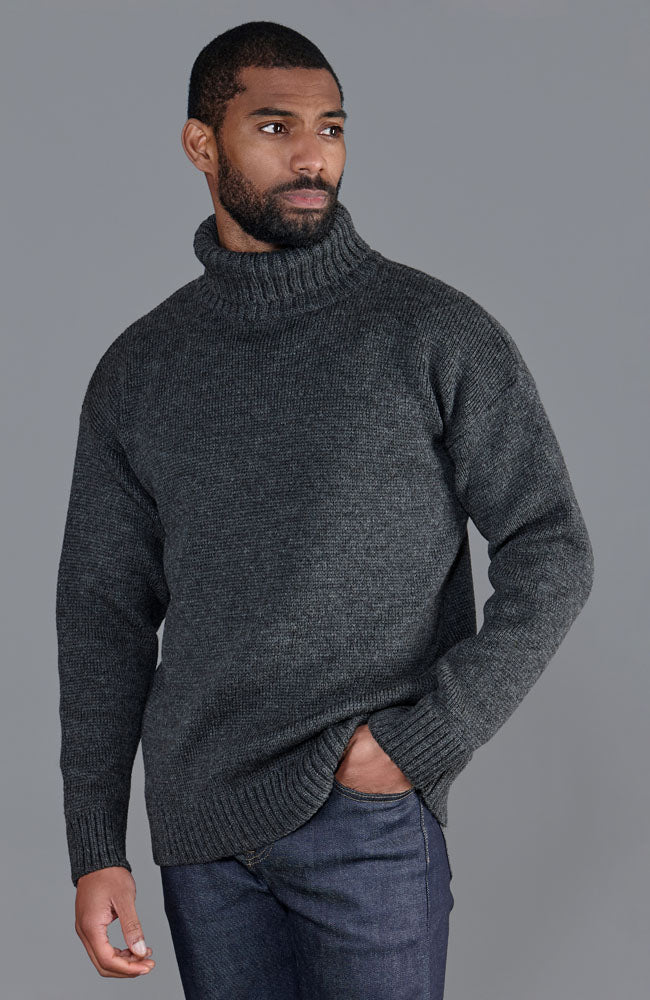
Turtleneck: Constructed with varying fabric weights from fine-gauge merino to chunky knits. The collar stands four to six inches high and folds over once or twice, creating the characteristic "turtle" appearance. American usage applies this term broadly to all high-neck folded collars.

Polo Neck: British term describing close-fitting high collars that fold neatly over, typically in finer-gauge materials. The collar hugs the neck more closely than chunky roll necks, creating a sleeker, more refined silhouette suitable for formal contexts.
Fit and Proportion Differences
Roll necks tend toward relaxed, oversized fits that create casual, comfortable silhouettes. The chunky construction naturally adds visual weight around the neck and shoulders, requiring balance with fitted lower garments.
Turtlenecks encompass both fitted and relaxed styles depending on fabric weight and construction. Fine-gauge versions create sleek, streamlined shapes perfect for layering under blazers, whilst heavier weights provide casual weekend comfort.
Polo necks typically feature closer, more tailored fits that work excellently in smart-casual and business contexts. The neat collar and refined proportions suit professional environments where roll necks might appear too casual.
Warmth and Insulation Properties
Roll necks provide maximum warmth due to chunky construction and substantial fabric weight. The thick collar and heavy-gauge knitting create excellent insulation for cold weather, making them ideal for outdoor activities and harsh winter conditions.
Turtlenecks offer variable warmth depending on fabric choice and weight. Fine-gauge cashmere or merino provides surprising warmth despite lightweight construction, whilst chunky versions rival roll necks for insulation properties.
Polo necks typically offer moderate warmth through close-fitting designs that trap body heat effectively. The finer fabrics work well for indoor environments or milder autumn weather, particularly when layered under jackets or coats.
Styling and Usage Context
Roll necks excel in casual contexts-weekend wear, outdoor activities, relaxed social gatherings. The substantial texture and relaxed fit create approachable, comfortable aesthetics perfect for informal occasions.
Turtlenecks demonstrate remarkable versatility, working across casual through formal contexts depending on fabric and styling. Fine-gauge versions suit business environments and evening events, whilst heavier weights serve casual needs.
Polo necks lean toward smart-casual and business applications, particularly in British professional contexts where the term and style maintain traditional associations with refined dressing.
Intent-Based Guidance
Which Is Warmer?
Roll necks generally provide the most warmth due to their chunky construction and substantial fabric weight. The thick collar creates excellent coverage around the neck area, whilst heavy-gauge knitting throughout provides superior insulation. For maximum cold-weather protection, choose chunky roll necks in 100% wool or wool-rich blends.
Turtlenecks in heavier weights rival roll-necks for warmth, particularly when made from merino wool or cashmere. The natural insulating properties of these fibres provide excellent warmth, despite potentially lighter weight than chunky roll-necks.
Polo necks typically offer the least warmth among the three due to finer construction, though quality cashmere or merino versions still provide substantial cold-weather protection. The close-fitting design helps, but lighter fabrics mean less insulation than chunkier alternatives.
Which Is More Formal?
Polo necks are traditionally the most formal, particularly in British professional contexts. The neat, close-fitting collar and fine-gauge construction work excellently under suits and blazers, creating polished business-casual or smart-casual appearances appropriate for offices and formal events.
Turtlenecks occupy the middle ground, with formality varying significantly based on fabric and styling. Fine-gauge cashmere or merino turtlenecks suit formal occasions when paired with quality tailoring, whilst chunky versions lean casual.
Roll necks generally appear most casual due to relaxed fits and substantial texture. However, well-styled roll necks in quality materials can work for smart-casual contexts, particularly in creative industries or relaxed professional environments.
Are They The Same Thing?
Essentially, yes, though terminology varies by region, and subtle construction differences exist. The terms describe the same basic garment concept, high-collared knitwear that provides neck coverage and warmth. However:
In the UK, "polo neck" serves as the standard term for what Americans call "turtlenecks." British speakers use "roll neck" specifically for chunkier, more relaxed versions. American terminology uses "turtleneck" universally for all high-necked folded collars, with "mock turtleneck" or "mock neck" describing shorter, non-folding versions.
When shopping internationally or reading fashion content from different regions, these terminology differences become important. A British retailer's "polo neck" equals an American brand's "turtleneck," whilst British "roll necks" might appear as "chunky turtlenecks" in American descriptions.
When To Wear Each?
Roll Necks:
-
Weekend casual occasions
-
Outdoor autumn/winter activities
-
Relaxed social gatherings
-
Creative workplace environments
-
Layered under overcoats for outdoor warmth
Turtlenecks:
-
Business-casual office environments
-
Smart-casual social events
-
Layered under suits for formal occasions
-
Evening cocktail parties or gallery openings
-
Transitional season dressing (lightweight versions)
Polo Necks:
-
Professional business environments (UK context)
-
Formal dinners or sophisticated events
-
Smart-casual occasions requiring a polished appearance
-
Business travel or client meetings
-
Traditional British dress codes
Detailed Styling Guidance
Roll Neck Styling Tips
Roll necks work best when balanced with fitted lower garments. The chunky upper creates visual weight that requires counterbalancing through slim-fit trousers, dark denim, or tailored chinos. Avoid pairing roll necks with equally voluminous bottoms, as this creates unflattering proportions.
Limit collar rolling to one or two folds maximum. Excessive rolling shortens your apparent torso length and creates bulk around the neck area. Allow the collar to sit naturally where it falls, adjusting minimally for comfort.
Choose softer, muted tones for versatile styling options. Cream, grey, navy, and earth tones work excellently with most wardrobes whilst maintaining a sophisticated appearance. Reserve brighter colours for deliberate statement pieces.
Layer roll necks under waistcoats, gilets, or structured coats for added sophistication. The substantial collar provides excellent coverage without requiring additional scarves, making roll necks a practical choice for outdoor winter styling.
Add visual interest through accessories rather than competing patterns. Scarves, quality hats, and interesting outerwear elevate simple roll neck outfits without creating visual chaos.
Turtleneck Styling Approaches
Fine-gauge turtlenecks layer beautifully under blazers and suits, replacing traditional dress shirts in contemporary business-casual contexts. Ensure proper fit-the turtleneck should skim your body without excess fabric bunching under outer layers.
Pair turtlenecks with corduroy trousers or skirts for retro-inspired autumn styling. This combination channels 1970s aesthetic whilst maintaining modern wearability, particularly in colours like mustard, burnt orange, or deep burgundy.
Bold colour choices work excellently with turtlenecks, particularly in fine-gauge constructions. Cherry red, forest green, or rich purple make statement pieces that energise winter wardrobes whilst maintaining sophistication.
Tuck turtlenecks into high-waisted trousers or jeans to create structured silhouettes and emphasise waist definition. This styling approach works particularly well for creating polished casual looks suitable for various occasions.
Layer oversized coats or blazers over fitted turtlenecks for contemporary proportional play. The contrast between a close-fitting base and a voluminous outer creates interesting silhouettes that demonstrate style awareness.
Polo Neck Styling Recommendations
Choose properly fitted polo necks that sit comfortably against the neck without constriction. The collar should fold neatly without gaping or pulling, creating clean lines essential for the refined aesthetic polo necks offer.
Select darker shades-black, navy, charcoal-for maximum versatility and flattering appearance. These colours work excellently in professional contexts whilst providing slimming effects that lighter colours might not achieve.
Add sophisticated accessories to complete polo neck outfits. Quality scarves, statement jewellery, and refined hats elevate the look without competing with the neat neckline.
Coordinate polo necks carefully with complementary garments. Pair with tailored trousers, well-fitted blazers, and quality leather shoes for office-appropriate styling. Match with smart skirts or dress trousers for business contexts requiring polished presentation.
Materials Comparison
Natural Fibre Options
Merino Wool: Offers excellent temperature regulation, natural odour resistance, and beautiful drape across all three styles. Fine-gauge merino suits turtlenecks and polo necks for business contexts, whilst heavier weights work well for casual roll necks.
Cashmere: Provides luxury softness and lightweight warmth, perfect for turtlenecks and polo necks in formal or special-occasion contexts. Cashmere roll necks exist but less commonly due to the fabric's delicate nature and the style's casual intent.
Cotton: Works beautifully for transitional season wear, offering breathability when wool might feel too warm. Cotton roll-necks, turtlenecks, and polo-necks suit spring and autumn, particularly in warmer climates or indoor environments.
Lambswool: Creates soft, affordable options across all three styles. Slightly coarser than merino but significantly cheaper, making it excellent for building foundational wardrobes without major investment.
Synthetic and Blended Options
Modern synthetic blends incorporating elastane or polyester provide stretch and shape retention, particularly beneficial for maintaining collar structure through repeated wear and washing. These technical fabrics work well for active lifestyles requiring frequent laundering.
Wool-synthetic blends offer a practical middle ground between natural fibre benefits and synthetic durability. These combinations typically provide better shape retention than pure natural fibres whilst maintaining much of the comfort and breathability.
Seasonal Usage Patterns
Autumn Styling
All three styles excel during autumn months, providing perfect coverage for cooling temperatures whilst remaining comfortable indoors. Lightweight versions in cotton or fine merino work well for early autumn, transitioning to heavier weights as temperatures drop.
Layer autumn turtlenecks, polo necks, and roll necks under lightweight jackets, blazers, or cardigans for versatile temperature control. The high collars eliminate scarf needs during milder weather whilst providing a foundation for heavier layering when required.
Winter Applications
Winter demands heavier constructions-chunky roll necks, substantial turtlenecks, or layered polo necks under coats and heavy jackets. The collar coverage becomes essential for outdoor comfort, protecting against cold winds and low temperatures.
Choose darker colours for winter wear, as they show dirt and salt stains less readily whilst creating sophisticated seasonal aesthetics. Navy, charcoal, black, and deep burgundy work excellently for winter wardrobes.
Spring Transition
Lighter-weight versions extend wearability into spring, particularly cotton or linen-blend constructions. Fine-gauge turtlenecks and polo necks work well for cool spring mornings and air-conditioned indoor environments, whilst roll necks typically retire until next autumn.
Layering Differences and Strategies
Under Blazers and Suits
Turtlenecks and polo necks excel when layered under structured tailoring due to their generally finer construction and neater collars. Choose slim-fit versions that don't add excessive bulk, ensuring smooth lines under outer garments.
Roll necks typically prove too bulky for comfortable layering under tailored pieces. The chunky construction creates unflattering volume and restricts movement, making roll necks better suited for standalone wear or layering under roomier coats and overcoats.
With Coats and Outerwear
All three styles work excellently under overcoats, parkas, and unstructured outerwear. The high collars provide essential neck coverage without requiring additional scarves, whilst the various constructions suit different coat styles and formality levels.
Pair roll necks with casual coats-pea coats, duffle coats, or parkas-for weekend winter styling. Match turtlenecks with everything from casual to formal coats depending on fabric weight. Reserve polo-necks and formal coats for business or sophisticated contexts.
Standalone Wearing
Roll necks often work best as standalone pieces due to their substantial construction and textural interest. The chunky knitting provides adequate warmth without layering, whilst the relaxed fit ensures comfort for extended wear.
Turtlenecks function excellently both standalone and layered, offering maximum versatility. Fine-gauge versions suit layering applications, whilst heavier constructions work well alone.
Polo necks typically benefit from layering, as their neater appearance and finer construction suit building complete outfits rather than standalone casual wear.
Common Styling Mistakes To Avoid
Incorrect Size Selection
Overly tight high-neck styles restrict breathing and movement whilst creating an unflattering appearance. The neckline should allow comfortable insertion of two fingers between fabric and skin when collar is folded.
Excessively loose styles create a sloppy appearance with collapsed collars that undermine the garment's inherent sophistication. Ensure proper shoulder fit and appropriate body width for clean, intentional silhouettes.
Poor Fabric Quality
Cheap synthetic versions lose shape rapidly, pill excessively, and feel uncomfortable against skin. Natural fibres or quality blends justify higher prices through superior appearance, comfort, and longevity.
Neglecting Regional Terminology
Confusion between terms leads to purchasing incorrect styles or miscommunicating preferences. Understand that British "polo necks" equal American "turtlenecks," whilst "roll necks" specifically describe chunkier versions.
Over-Accessorising
The substantial neckline provides a focal point that rarely requires additional accessories. Avoid adding scarves, bulky necklaces, or excessive collar details from outer layers that compete with the high neck.
Care and Maintenance
Washing Guidance
Hand washing remains ideal for preserving collar structure and fabric integrity, especially for roll-necks, cashmere turtlenecks, and fine polo necks. Use cool water with specialised wool detergent, avoiding wringing or twisting.
Machine washing works for hardier cotton or wool-blend versions using delicate cycles and appropriate temperatures. Always check care labels and err on the gentler side for valuable or delicate pieces.
Drying and Storage
Lay flat to dry on clean towels, reshaping whilst damp to maintain proper proportions. Never hang wet high-neck garments, as this causes stretching and collar distortion.
Once dry, fold carefully and store in drawers rather than hanging to preserve the neckline structure. The collar's weight can cause stretching when hung, particularly with heavier roll necks.
Addressing Wear Issues
Pilling occurs naturally with wool but can be managed using fabric shavers or cashmere combs. Address regularly to maintain a pristine appearance.
Stretched collars sometimes respond to careful steaming and reshaping, though severe stretching indicates the garment has reached its useful life's end.
People Also Ask
What do Americans call polo necks? Americans use the term "turtleneck" to describe what British speakers call polo necks, high-collared knitwear that folds over to cover the neck. The term "polo neck" rarely appears in American fashion terminology, creating potential confusion when shopping international brands or reading British fashion content.
Is a roll neck the same as a turtleneck? Roll necks and turtlenecks describe essentially the same garment with regional terminology variations. In British usage, "roll neck" typically refers to chunkier versions with relaxed, folded collars, whilst "turtleneck" (or "polo neck") describes finer-gauge options. American terminology uses "turtleneck" for all high-neck folded collar styles regardless of weight.
Can you wear polo necks in summer? Lightweight cotton or linen-blend polo necks work for cool summer mornings or air-conditioned indoor environments. However, these high-collared styles naturally suit the autumn and winter seasons better due to substantial neck coverage. Reserve heavy wool versions for cold weather only.
Which is more professional: roll neck or polo neck? Polo necks (British term) or turtlenecks (American term) in fine-gauge fabrics typically appear more professional than chunky roll necks. The neat, close-fitting collar and refined construction work excellently in business-casual contexts, particularly when paired with blazers or suits. Roll necks lean casual due to relaxed fits and substantial texture.
Frequently Asked Questions
How do I choose between a roll neck, turtleneck, and polo neck for my wardrobe?
Choosing between these styles requires considering your lifestyle, climate, and wardrobe needs, though understanding they're essentially the same garment with different names simplifies the decision significantly. If you need versatile pieces for both casual and smart-casual occasions, invest in fine-gauge turtlenecks (called polo necks in Britain) in neutral colours like black, navy, and grey. These work excellently under blazers for professional contexts, whilst functioning standalone for casual wear. For primarily casual wardrobes focused on weekend comfort, chunky roll necks provide maximum warmth and relaxed styling in heavier fabrics perfect for outdoor winter activities. Consider your regional terminology when shopping-British retailers use "polo neck" whilst American brands say "turtleneck" for the same garment. Climate significantly impacts choice-colder regions benefit from heavier constructions, whilst milder climates suit lightweight cotton or fine merino versions. Professional requirements matter too; conservative business environments welcome fine-gauge polo necks or turtlenecks under suits, whilst creative industries embrace chunkier roll neck styling. Start with one or two quality basics in neutral colours and versatile weights, then expand into specialty pieces. Quality natural fibres like merino wool or cashmere justify higher initial investment through superior comfort, appearance, and longevity compared to cheaper synthetic alternatives.
What's the difference between British and American terminology for these necklines?
British and American English use different terms for identical garments, creating confusion when shopping internationally or reading fashion content from various regions. In British terminology, "polo neck" describes what Americans call a "turtleneck"-a high collar that extends upward and folds over to cover the neck. British speakers reserve "roll neck" for chunkier, more relaxed versions in which the thick collar naturally rolls down towards the chest. Americans use "turtleneck" as the universal term for all high-neck folded collar styles, regardless of fabric weight or construction method. "Mock turtleneck" or "mock neck" in American usage describes shorter collars that stand upright without folding, providing similar styling benefits with less coverage. These linguistic variations stem from different fashion evolution paths in each region, with British terminology maintaining stronger connections to historical garment names. When shopping for international brands, pay attention to product descriptions and images rather than relying solely on terminology. A Marks & Spencer "polo neck" equals a J.Crew "turtleneck," whilst a British "roll neck" might appear as an American "chunky turtleneck." European brands often use English terminology inconsistently, sometimes mixing British and American terms within the same collection. Understanding these differences prevents purchasing incorrect styles and helps communicate preferences clearly when shopping across regions or discussing fashion with international audiences.
How should these necklines fit, and what are signs of improper sizing?
Proper fit becomes crucial with high-neck styles since the collar dramatically affects both comfort and appearance throughout extended wear. The neckline should sit comfortably against your neck without feeling constrictive or restrictive-you should easily insert two fingers between the fabric and your skin when the collar is folded. Overly tight collars cause discomfort, difficulty breathing, and an unflattering appearance with excessive fabric compression. Conversely, too-loose collars gap away from the neck, collapse rather than standing properly, and create a sloppy appearance that undermines the garment's sophisticated intent. Shoulder seams must align with your natural shoulder points, as this affects how the entire piece drapes and appears. Body width should allow comfortable movement without excess fabric pooling at the sides when arms are lowered. For fine-gauge turtlenecks and polo necks intended for layering under blazers, choose slightly more fitted options that don't add bulk. Chunky roll necks can accommodate slightly looser fits for casual comfort, though excessive looseness appears sloppy rather than intentionally relaxed. Sleeve length should reach your wrist bone when arms hang naturally, allowing slight movement without exposing excessive forearm. When trying these styles, perform movement tests-raise your arms overhead, sit down, rotate your torso-ensuring the fabric moves with you rather than restricting or riding up uncomfortably. Natural fibres often feel slightly snug initially but stretch with wear to conform to your body shape, so don't size up excessively, anticipating this adjustment.
Conclusion
Understanding the differences between roll neck vs turtleneck vs polo neck primarily involves recognising regional terminology variations rather than fundamental design distinctions. These high-collared garments provide essential cold-weather styling and warmth across casual to formal contexts. Choose fine-gauge versions in natural fibres for maximum versatility, or select chunky roll necks for casual weekend comfort. Quality construction in merino wool, cashmere, or premium cotton ensures these wardrobe staples serve you well for many seasons.
Shop Paul James Knitwear's Collection
Explore our range of premium roll necks, turtlenecks, and polo necks crafted from the finest merino wool and luxurious cashmere. Each piece combines traditional British knitwear craftsmanship with contemporary styling, ensuring exceptional quality and timeless appeal. Enjoy worldwide shipping on all orders.
Buy Today: Men's Turtleneck Jumpers | Men's Roll Neck Jumpers | Men's Polo Neck Jumpers
Buy Today: Women's Turtleneck Jumpers | Women's Roll Neck Jumpers
Related Articles:
- Crew Neck, Round Neck, and V-Neck Compared
- Discover All The Neckline Styles
- Is the V-Neck Still Relevant in 2025 Fashion?
- Tracing the Evolution of Necklines: A Fashion Journey Through the Ages