Womens Ecru Sweater: Natural Tones in Quality Knitwear
Ecru occupies that curious middle ground, warmer than white, lighter than beige, and somehow more approachable than either. The French word meaning "raw" or "unbleached" tells you something about its character: honest, unpretentious, quietly useful. Perhaps that explains why so many reach for it when assembling capsule wardrobes or planning pieces that need to work across multiple seasons without feeling too stark or too heavy.
This guide examines four high-neck styles from Paul James Knitwear, ranging from chunky heritage cable knits to sleek cotton options. Different weights, different textures, but all rooted in natural fibres and construction that prioritises longevity over fleeting trends.
What Makes Ecru Different
Not quite cream, not quite beige, ecru exists in its own category with distinct advantages.
-
Softer than white: The warmth in ecru prevents the clinical feel that stark white sometimes creates, whilst still providing brightness and visual lift to darker pieces.
-
Ages gracefully: White can yellow over time, cream can look dingy, ecru starts from a warmer baseline, so natural aging feels less jarring and often appears intentional.
-
Versatile across seasons: Light enough for transitional weather layering, warm enough to feel appropriate during colder months. The earthiness works year-round.
-
Forgiving on marks: Coffee spills and daily handling show less dramatically than on pure white, though ecru still requires more attention than darker neutrals.
Our Collection
1. Women's Chunky Merino Wool Roll Neck Cable Jumper
Maya brings heavyweight Andean merino with traditional cable and travelling Aran stitch details, proper heritage knitwear for genuine cold. At 780g, this is a substantial winter piece that provides exceptional insulation through wo
ollen-spun yarn construction. The relaxed fit allows layering lighter jumpers underneath, whilst the drop shoulder creates contemporary ease. Made in Leicestershire using Japanese knitting technology, it represents traditional styling with modern manufacturing standards. Hand washing preserves softness and shape for years.

2. Women's 100% Cotton High Neck Raglan Jumper
This cotton option brings raglan sleeve construction for detailed shoulder interest and improved movement. The high neck provides warmth without the full roll of a turtleneck, creating a clean, modern silhouette. Cotton's natural breathability makes this suitable for layering or wearing in heated indoor spaces where wool might feel too warm. Machine washable and pill-resistant, it handles frequent wear and washing without deteriorating quickly. The lighter weight makes it appropriate for three-season wear rather than strictly winter.

3. Women's 100% Cotton Roll Neck Long Sleeve Jumper
A straightforward cotton roll neck without extra detailing, sometimes simple works best. The clean silhouette layers efficiently under blazers, coats, and cardigans without creating bulk or visual competition. Cotton wicks moisture naturally, providing comfort during temperature fluctuations throughout the day. Easy machine care suits daily wear schedules where gentler hand washing feels impractical. The modest weight makes this versatile across contexts: casual weekends, office days, or dressed up slightly with tailored pieces.

4. Women's Pure Cotton Submariner Roll Neck Jumper
Drawing inspiration from naval knitwear, the submariner style features a higher, more substantial roll neck that provides extra coverage against wind and cold. The durable cotton knit structure resists pilling whilst maintaining breathability. This slightly more robust construction suits outdoor activities, market visits, dog walks, weekend errands, where practicality matters as much as appearance. The heritage styling brings understated character without pattern or embellishment, allowing the quality of construction to speak quietly.

Material Considerations
Choosing between merino wool and cotton significantly affects warmth, maintenance requirements, and how pieces perform across different situations.
Chunky Merino Wool
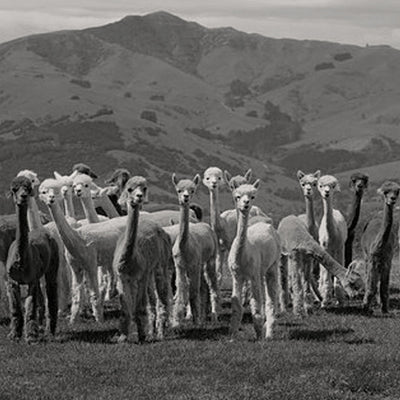
Heavyweight woollen-spun merino provides maximum warmth through exceptional insulation properties. The fibre thermoregulates naturally, adjusting to body temperature rather than overheating, and resists odours through antimicrobial properties. This means less frequent washing; gentle steaming between wears often suffices. Merino holds shape and colour remarkably well, with crease resistance that helps pieces look intentional even after travel. However, wool demands gentler care: hand washing or very delicate machine cycles, flat drying, moth prevention during storage. The investment pays off in performance and longevity, but it requires attention.
100% Cotton
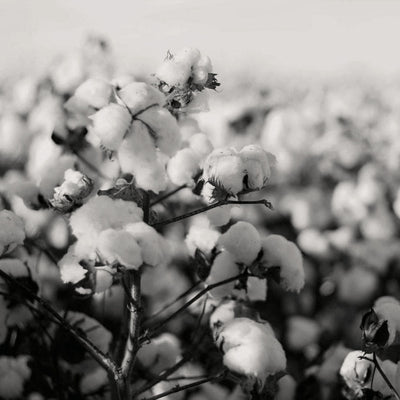
Cotton offers different strengths: breathability, easy machine washing, quick drying, and no moth concerns. The fibre feels cooler against skin, which some people strongly prefer. Cotton lacks wool's thermoregulating properties and odour resistance, requiring more frequent washing. However, that maintenance simplicity suits busy schedules where hand washing feels prohibitive. Cotton also tends to cost less than equivalent-quality merino, making multiple pieces more financially accessible.
Styling Ecru High-Neck Jumpers
Ecru's warmth provides versatility whilst still functioning as a neutral foundation.
Smart-casual office
Cotton roll neck under a navy or grey blazer, tailored trousers, leather loafers. The clean neckline creates polished lines without shirt collars competing visually.
Weekend relaxed
Submariner style with dark denim, tan Chelsea boots, waxed jacket or parka. Roll sleeves up if temperatures climb unexpectedly.
Maximum warmth
Chunky cable jumper over a lightweight thermal, paired with wool trousers and walking boots. Add a scarf if wind becomes biting.
Transitional layering
Cotton high-neck with a long cardigan in camel or rust, straight-leg jeans, ankle boots. Ecru provides visual breathing room between layers.
Colour companions
Ecru particularly likes navy, forest green, burgundy, rust, charcoal, denim blue, and chocolate brown. Avoid pairing with colours too close to its own tone unless deliberately creating monochrome outfits.
Frequently Asked Questions
Does ecru knitwear yellow over time, and how can this be prevented?
Ecru starts from a warmer, slightly yellow-toned baseline compared to pure white, which means natural aging appears less dramatic. However, improper care can cause discolouration. Yellowing typically results from three sources: body oils that oxidize over time, exposure to sunlight during storage or drying, and reaction with certain detergents or chemicals. Always wash ecru pieces before long-term storage, even if they appear clean, skin oils will darken gradually. Use gentle, pH-neutral detergents without optical brighteners or harsh chemicals. These additives, designed for brilliant whites, can actually cause yellowing in natural-toned fibres. Turn pieces inside out before washing to protect outer surfaces from friction. Never dry ecru knitwear in direct sunlight; UV exposure accelerates colour changes and weakens natural fibres. Instead, dry flat in shaded areas with good air circulation. Store folded in breathable cotton bags rather than plastic, which traps moisture and encourages yellowing. Keep storage areas cool and dark, away from windows. For wool specifically, ensure pieces are completely dry before storing, any residual moisture promotes discolouration and mildew. Following these practices, quality ecru knitwear maintains its warm neutral tone for years rather than developing the dingy appearance that sometimes affects white or cream pieces.
Can ecru jumpers work for all skin tones, or do they wash out certain complexions?
Ecru tends to be more universally flattering than stark white or very pale cream because its warmth adds subtle colour rather than reflecting harsh light. However, individual results vary based on specific undertones and how the piece is styled. People with warm undertones (golden, olive, or brown-toned skin) typically find ecru particularly complementary, it harmonises rather than competes. Those with cooler undertones (pink or blue-based) might find some ecru shades slightly yellowed against their complexion, though this depends heavily on the exact tone and lighting conditions. If uncertainty exists, try holding the piece near your face in natural daylight. Does it make your complexion look brighter and more alive, or slightly sallow and tired? That immediate reaction provides reliable guidance. Styling also influences perception significantly. If ecru doesn't sit well directly against your face, wear it with colours that do work, navy, charcoal, or burgundy scarves, for instance, using the ecru as a frame rather than the focal point immediately adjacent to your face. Open cardigans or jackets create distance that often solves the problem. Jewellery helps too: gold tones emphasize ecru's warmth, whilst silver provides cool contrast that can balance the overall effect.
How do I choose between a chunky cable knit and a smooth roll neck for practical everyday wear?
This decision hinges more on lifestyle and climate than pure aesthetics. Chunky cable knits provide maximum warmth and visual texture, making them ideal for genuinely cold environments, outdoor activities, or situations where you need statement knitwear to carry an outfit. They're brilliant for weekends, casual settings, or when you want one substantial piece to do most of the styling work. However, chunky knits add bulk under coats and blazers, making them less suitable for professional environments or layering beneath tailored outerwear. Smooth roll necks offer versatility: they slip under jackets without bunching, work in both casual and smart-casual contexts, pack more efficiently for travel, and handle a wider temperature range comfortably. They're less visually interesting on their own but function as reliable foundations. Consider your typical week: if you spend most time in heated offices or need pieces that layer under structured coats, smooth roll necks serve better. If your days include outdoor time, casual environments, or you live somewhere properly cold, chunky cables earn their place. Perhaps the most practical solution is owning one of each, smooth for weekday reliability, chunky for weekend warmth, though budget and storage space obviously factor into that equation.
What's the best way to prevent ecru cotton from looking dingy after multiple washes?
Cotton's tendency toward dinginess comes from detergent residue, hard water minerals, and gradual colour shift from improper care. Several strategies maintain brightness. First, use appropriate detergent amounts, too much leaves residue that dulls fabric and attracts dirt. Modern detergents are concentrated; you need less than you think. Consider adding white vinegar (roughly 120ml) to the rinse cycle occasionally; it removes detergent buildup and mineral deposits without damaging cotton. Wash ecru pieces separately from very dark items, particularly during the first few washes when darker garments may release excess dye. Turn pieces inside out to protect outer surfaces from friction and fading. Use cool or warm water rather than hot; excessive heat can cause slight yellowing in natural fibres. Avoid fabric softeners, which coat fibres and create buildup that appears dingy over time. If hard water is an issue, water softening products or filters help prevent mineral deposits. Dry cotton flat when possible, or use low dryer heat if necessary, high heat can set stains and cause yellowing. For pieces that have become slightly dingy, soaking in a solution of oxygen-based bleach (not chlorine) can restore brightness. Follow package directions carefully, test on inconspicuous areas first, and rinse thoroughly. Prevention works better than correction though, consistent gentle care maintains appearance far longer than aggressive periodic cleaning.
Can I wear ecru jumpers in spring and summer, or are they strictly cold-weather pieces?
Lightweight and medium-weight ecru jumpers absolutely work for spring and even cool summer evenings. Material selection and weight determine seasonal appropriateness more than colour. Cotton roll necks in lighter gauges provide breathability that suits transitional weather, morning chill that burns off by afternoon, air-conditioned offices, cool spring evenings. The natural fibre wicks moisture and doesn't trap heat like synthetics. Ecru's warmth feels seasonally appropriate in spring whereas stark white can look wintery. For summer, reserve ecru knitwear for genuinely cool situations: coastal areas where marine layers create evening chill, mountain locations with temperature drops after sunset, or heavily air-conditioned indoor spaces. Avoid chunky or heavyweight knits outside autumn and winter; they'll feel uncomfortable and look obviously out of season. Style lightweight options with spring colours, soft pink, sage green, light denim, to create seasonally appropriate palettes. Roll sleeves to three-quarter length for casual temperature adjustment. Perhaps surprisingly, ecru knitwear often bridges seasons better than darker colours, which can feel heavy in warmer months. The key is matching weight to actual temperature needs and styling with seasonal awareness rather than treating all knitwear as strictly winter items.
How should I store ecru jumpers during warmer months to prevent damage and maintain colour?
Proper off-season storage significantly extends lifespan and preserves that warm neutral tone. Always clean pieces thoroughly before storage, body oils, perfume, and food particles attract moths and cause discolouration, even in cotton. For wool, hand wash or use very gentle machine cycles, then dry completely flat; any moisture promotes mildew and colour changes. Cotton can be machine washed and dried flat. Never store damp knitwear under any circumstances. Fold rather than hang, hangers create shoulder stress points that permanently distort shape, particularly problematic with heavier knits. Store in cool, dark locations away from windows; UV light fades natural tones and weakens fibres significantly. Heat accelerates deterioration, so avoid storing near radiators, in hot attics, or inside cars. Use breathable cotton storage bags rather than plastic, which traps moisture and encourages mildew. For ecru specifically, ensure storage materials are clean and colour-safe; sometimes chemicals in cardboard boxes or tissue paper can cause yellowing. Cedar blocks deter moths in wool without harsh chemicals, though check they won't transfer oils to lighter colours. Lavender sachets work well for both wool and cotton. Check stored items every few months; early detection prevents extensive moth damage in wool pieces. If you find signs of infestation (tiny holes, larvae, webbing), freeze affected items at -18°C for 72 hours, clean thoroughly, and re-store with fresh deterrents in clean bags.
Final Thoughts
These pieces aren't trying to revolutionize anyone's wardrobe. They're working quietly to solve practical problems, providing warmth, creating clean visual lines, and functioning reliably across different contexts without demanding excessive attention. Ecru achieves that particularly well: warm enough to feel intentional, neutral enough to remain genuinely useful. That probably explains why it keeps appearing in thoughtfully edited wardrobes where every piece needs to justify its presence.
Discover By Colour: